

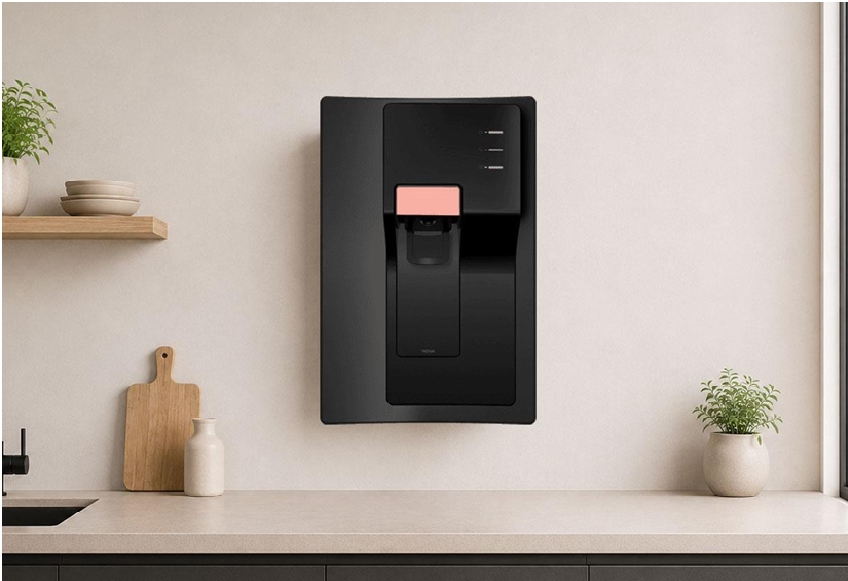
When comparing water purifier price, it’s easy to assume you are paying mainly for the brand. In reality, the biggest differences in price often come from what’s inside the purifier rather than what’s printed on the front. The purification technologies it uses, the type of UV, UF, and RO filter, storage material, water recovery efficiency, smart monitoring features, and even its ability to handle different water sources, all influence the cost.
The difference also shows up in other features like filter life, water recovery, purification speed, storage material, and features such as filter-life alerts or water-quality indicators can affect both the initial price and the cost of running the purifier over time. So rather than comparing two models by price alone, it makes more sense to look at what is built into each system and whether those features actually suit the water entering your home.
Purification Technology: What Adds to the Price?
A purifier can look simple from the outside, but there can be a lot happening inside it. A basic model may use sediment and activated carbon filtration, while a more advanced system can combine RO, UV, and UF. Some models add mineral, copper, or alkaline treatment as well. The more specialised the purification system, the more components and technology go into it, which is reflected in the water purifier price.
Read More: Best Places To Install A Water Softener In A Home For Maximum Efficiency
1. RO, UV, and UF: How Purification Stages Affect Cost
Each stage is designed for a different job. RO uses a semi-permeable membrane to reduce dissolved salts, TDS, and certain heavy metals. UV uses ultraviolet light to inactivate microorganisms, while UF uses a fine membrane to provide another filtration barrier. Putting these technologies together requires additional components, controls, and flow paths, which makes the system more complex than a basic filter.
2. RO Filter Quality: Why the Membrane Matters
The RO filter is one of the main working components in an RO system. Its membrane determines how water moves through the purification stage and affects filtration rate and water recovery. Some newer systems use a larger membrane surface area so that more water can be treated during the same period. The membrane itself can therefore influence both the price and the way the purifier performs.
3. Mineral and Alkaline Technologies: What Do They Add?
Some systems include a mineral cartridge, copper treatment, or an alkaline stage after RO filtration. These additions are intended for specific treatment or taste preferences and are not essential for every household. They do, however, add another cartridge and filtration stage to the system, which can increase both the purchase price and future replacement requirements.
Capacity and Water Recovery: What Changes with the Price?
1. Storage Capacity: How Much Water Do You Need?
Tank size is one of those specifications that looks simple until you use the purifier every day. A larger tank keeps more purified water ready when several people are using it, but it also adds to the purifier’s size and cost. A smaller tank may be perfectly adequate for a couple or a small family, particularly when the purifier can replenish the supply quickly. Check the storage capacity alongside the purification rate and your daily drinking and cooking needs rather than choosing a tank simply because it holds more.
2. Filtration Speed and Water Recovery: What Are You Paying For?
RO purification produces reject water as part of the process. Water recovery refers to the proportion of incoming water that is converted into purified water. Better recovery means less water is sent to waste. Filtration speed also depends on the membrane, pump, and internal water flow. Systems engineered for faster purification or improved recovery can therefore cost more because the underlying components are different.
Build Quality and Smart Features: How Can They Raise the Price?
1. Storage Material: What Is the Tank Made From?
The tank continues to matter once purification is complete. Food-grade plastic and stainless steel are commonly used for water storage, with stainless steel generally offering a more durable construction. The choice of material can affect manufacturing cost, so it is worth checking what is actually inside the purifier rather than judging build quality from the outer body.
2. Smart Monitoring: Which Features Are Actually Useful?
Smart features account for another part of the price. Depending on the purifier, these can include filter-life indicators, water-quality alerts, tank-level indicators, service reminders, automatic flushing and app-based monitoring. Their practical value comes down to how much information they provide and how much maintenance guesswork they remove.
Water Purifier Price: What Are You Actually Paying For?
Two purifiers can have similar-looking cabinets and very different prices. The difference may be in the RO membrane, number and type of purification stages, tank capacity, water recovery, construction materials, monitoring features or filter life. Instead of choosing solely by water purifier price, compare these specifications with your household’s water source and daily consumption. That is a much better way to judge whether the extra cost is buying technology you will actually use.
Read More: Maintaining Cleanliness Excellence In Orange County
In the end, water purifier price reflects far more than the brand name on the box. It reflects the technologies inside, the quality of the components, the ownership experience and the kind of water the purifier is built to handle. Instead of asking, “Which purifier costs less?” ask, “Which purifier is designed for the water my family drinks every day?” That’s usually the question that leads to the better investment.